
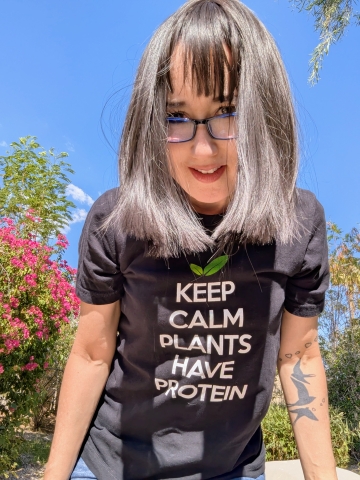
Dear all who are concerned:
I have Sjögren’s Syndrome, a systemic autoimmune disease, and it’s with gratitude that I hear your doubts and qualms about the food that I eat. You’re worried about me. You’re worried that I’m possibly making myself sick, keeping myself sick, or making myself worse with my plant-based manner of fueling my body. I’m writing this letter in the hopes that it will ease your minds.
Instead of focusing on what’s wrong with me, focus on what’s right with me.
First, though, to review:
Between Sjögren’s Syndrome, itself, and the complications I’ve developed, I’m uncomfortable and in pain all of the time. I have a lung that’s structurally damaged and getting worse, and a stomach that’s 60% paralyzed. Sjögren’s arthritis and tendonitis leave my fingers, hands, and wrists painful and stiff; I currently can’t drive, hold a pen to write, or use my hands to push open a door.
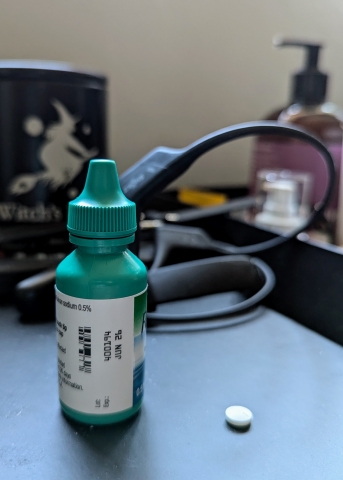
First thing in the morning, because of my severe dry eye, I squint through one eye at a time as I feel around for the eye drops. Getting the drops into my eyes is difficult because it’s uncomfortable to keep my eyes open long enough to deposit the drops. (I often miss, re-squeeze the bottle, and end up with drops running down my face.) At the same time, my mouth, throat, and tongue are so dry, it’s an ordeal to swallow and to speak coherently. My finger joints are the worst when I wake up. I can’t close my hands into fists.
I push myself through my morning chore routine and declare victory when I can get the bed made before noon. Morning going-out plans require a self psych-out and a ride on a choppy wave of adrenaline. It helps if I’m excited about where I’m going. When I arrive, no one can tell that I battled to get there, and I relax onto the warm sands of another win.
A lot goes into the execution of an average day as I listen to my body and respect her limits. I know I’m going to be working out, and that I’ll need to show up for myself.
All of this said, I can’t feel too badly about my everyday trials and tribulations when I think of some of the things that I’m able to do, despite my chronic illness.
Examples:
–I can pull myself up in bed and swing my legs around using just my abdominal muscles. With my core strength, I can easily get up from a seated or lying down position without using my hands or other assistance. (Important because I can’t use my hands; they don’t flex backward, my wrists are weak, and the pain is a problem.)
–I can hold a 4+ minute plank on my knuckles. (Important for the same reason as parenthesized above.)
–I can walk five miles, up and down inclines at varying speeds, wearing a 12-lb weighted vest.
–I can work out nonstop for an hour doing LM Body Combat and Body Step classes, which incorporate HIIT cardio.
–I can run up and down stairs.
–I can lift weights. Using modifications where necessary to accommodate the disability in my wrists, I strength-train with weights at home, or on machines at Planet Fitness.
Amazing, isn’t it? Why focus on what’s wrong with me when I can yet do all of these things? Clearly, I’m doing something right.
I work out through the pain, and I get it done. These days, I work out six days a week. Regular exercise is highly encouraged by my doctors; it’s practically prescribed.
Imagine! I’m chronically ill with pain, discomfort, and a slew of medical challenges, yet I feel good in my body, and I’m fitter than many women my age (56) who aren’t sick. How can this be?
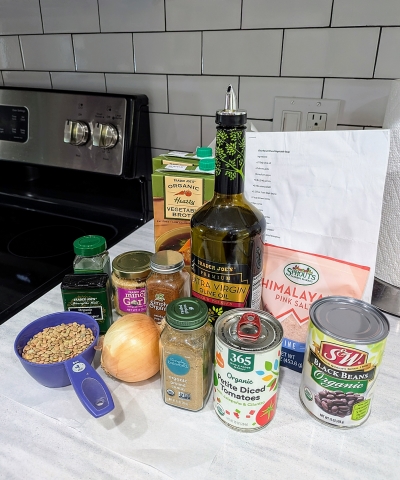
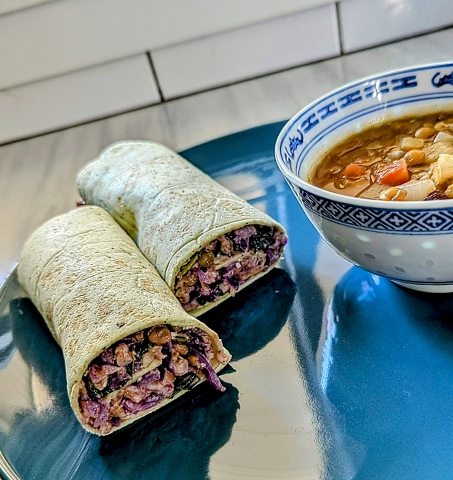
Food is medicine, and food is fuel. The food that I eat energizes my body even when I’m sleepy and tired. The energy in my body permits me to exercise consistently. What is this miracle food that allows me to maintain my fitness and a healthy weight in the face of my autoimmune encumbrances as a middle-aged woman in menopause with hypothyroidism and osteoporosis, to boot?
Plants.
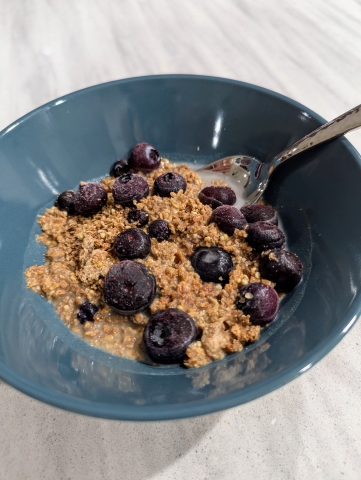
I get my macronutrients (carbs, fats, and proteins, nutrients that we need in large quantities to ensure that our bodies function properly) and micronutrients (vitamins, minerals, trace minerals) from plants and plant-based foods. I’ve never been anemic or deficient in any vitamin or mineral.
Autoimmune disease is an inflammatory disease, and an anti-inflammatory diet is largely whole food, plant-based.
Rather than making me sick, plant-based eating makes it possible for me to enjoy a solid level of fitness despite my chronic illness, because I wouldn’t be able to do it if I didn’t feel this vitality in my veins. Rest assured that I am not making myself worse with my plant-based diet.
I’ve taken brief steps away from veganism over the years, for various reasons, so I know how much worse I feel when I do eat mammals, birds, fish, and dairy. It never went well. I experienced level 11 pain when Sjögren’s arthritis attacked both of my ankles in a bad flare. I couldn’t walk for two weeks. I was 25 years old.
Arthritis, rashes, bodily fatigue, and gastroparesis flares were just some of the additional issues I experienced. Every time, I returned to my plant-based diet, and I felt better. Even with my current problems, I feel better now than when I wasn’t vegan, because I have this awesome energy in my body. I always felt sluggish when I ate meat and animal products. For me, personally, there is no comparison.
It’s important to note that one autoimmune disease can lead to other AI diseases, and complications are always a lurking threat. Experts don’t know what causes autoimmunity in the first place; theories include genetics and environmental factors, but at this point, no one knows for sure.
What is known is that there are triggers that can interfere with the management of autoimmune conditions. For instance, stress can trigger flares, so minimizing stress as much as possible is always a goal. Foods that promote inflammation in the body should be avoided, while anti-inflammatory foods should be favored. Anti-inflammatory foods are plant foods such as fruit; veggies; whole grains; nuts; seeds; legumes (i.e. beans, lentils, and peanuts); and healthy fats found in certain plants and fish (i.e. olive and avocado oils, along with the omega-3 fatty acids found in flax seeds and fatty fish such as salmon, tuna, and sardines).
For research-based findings and information regarding the correlation between autoimmune diseases and whole food, plant-based diets (WFPB), I’m asking you to take the time to read this article published by the American College of Lifestyle Medicine: The Benefits of Plant-Based Nutrition: Treatment and Prevention of Autoimmune Disease. I’m providing the link here. The American College of Lifestyle Medicine is “A society of medical professionals united to reverse chronic disease,” and they provide a wellspring of information with research- and evidence-based educational pieces on this and various, related topics.
Though I do take pharmaceutical treatments for my disease, I consider my whole food, plant-based diet to be just as essential. I’m blessed to have the health that I have, but I also take some credit for my wellness. I’ll hang onto my vegan lifestyle, but thank you for your concern. I know that it comes from love.
I love you, too.



























































 That Asian-Looking Chick